
Feeding Community
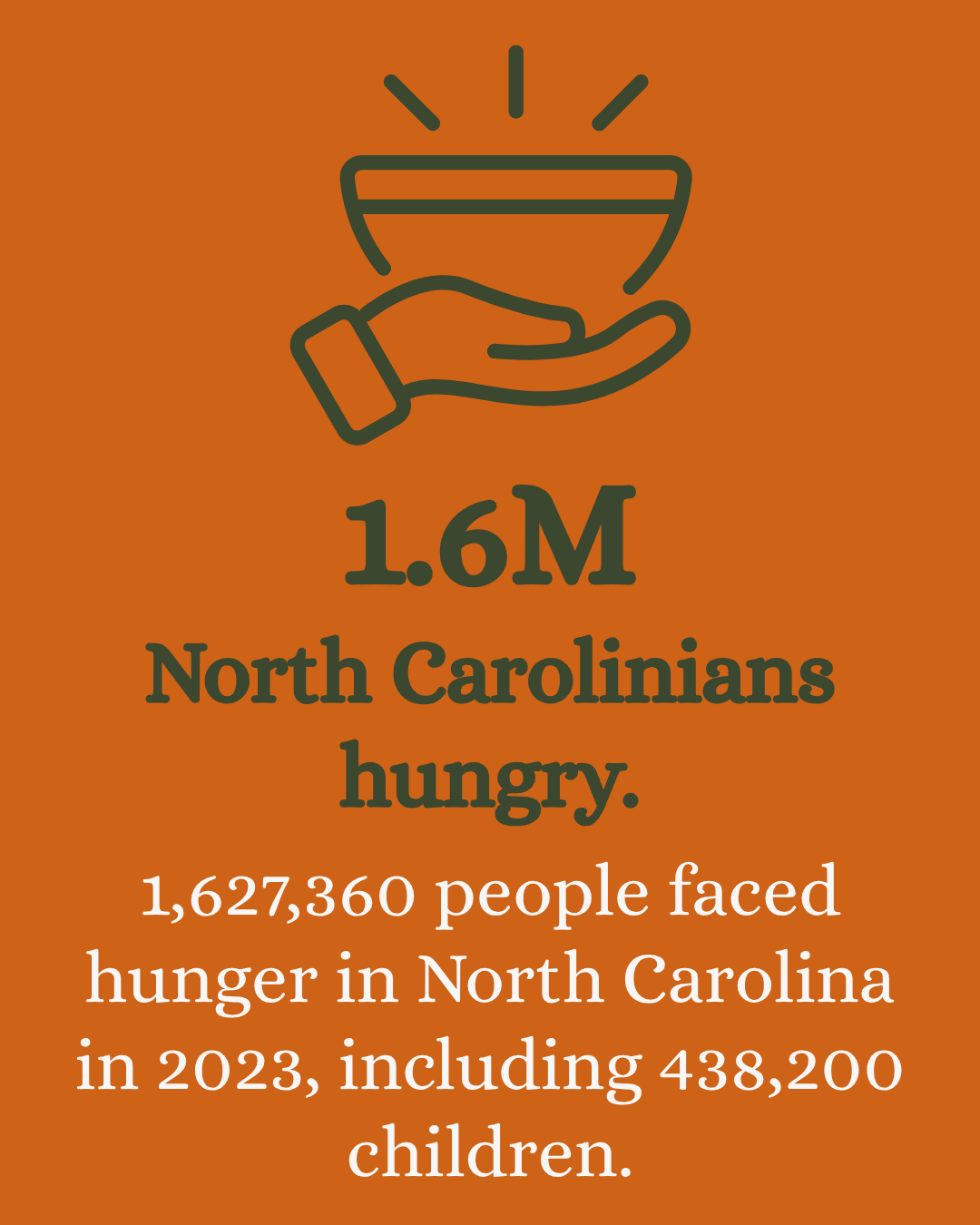
Food banks and pantries in Western North Carolina (WNC) are experiencing greater demand than ever, some reporting over a 200% increase in the last year. The combined impact of Hurricane Helene and policy choices at the state and federal levels have left more people in need and with fewer supports for accessing nutritious food, especially in our rural communities.
Until June 30th 2025, qualifying Medicaid clients in 3 pilot regions of North Carolina, including WNC, were able to receive support in consistently accessing food, via prepared meals and food boxes, through NC’s Healthy Opportunities Pilot (HOP).
In the wake of Hurricane Helene, World Central Kitchen served more than 1.4 million meals across WNC. Their response underscored not just the ongoing need for reliable food access, but a deeper gap in our system, the lack of prepared foods for people without kitchens, power, or the means to cook. The storm made visible what many already face every day, food access is about more than ingredients; it’s about the ability to eat.
Prepared meals bridge the space between hunger relief and everyday nourishment. They’re fully cooked, ready-to-eat dishes that meet people where they are, whether they’ve lost power in a storm, are juggling multiple jobs with little time to cook, or are living on a tight budget that makes dining out impossible. For many, prepared meals make healthy eating achievable when cooking simply isn’t.
We need better solutions to feed folks in WNC, and that’s where we come in.
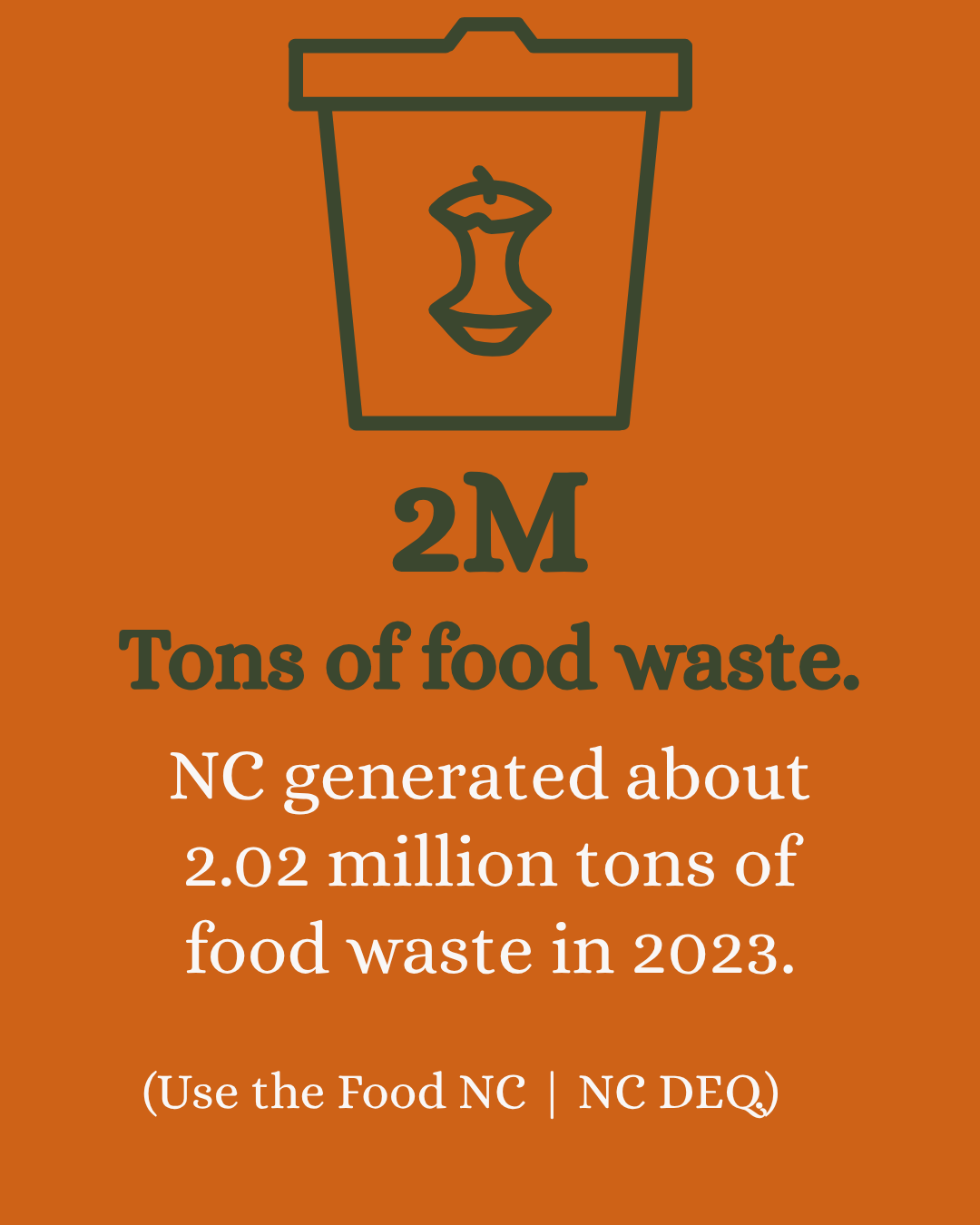
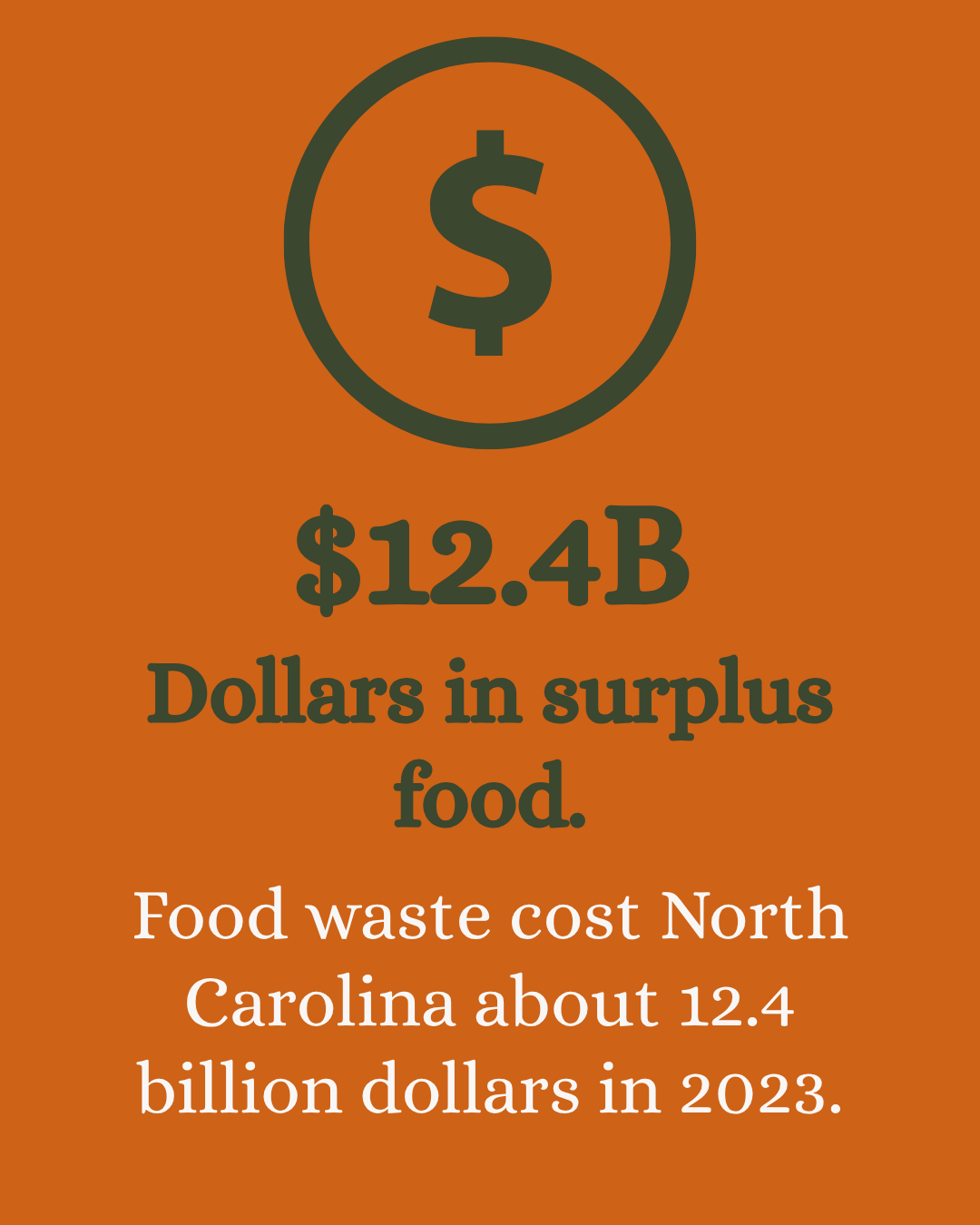
Appalachian Resilience Kitchen (ARK) aims to transform food that might otherwise be discarded or composted by local pantries into nutritious, ready-to-eat meals. While food pantries receiving many shelf-stable items they also receive donations of perishable items like meat and produce, many from local farms. Often, pantries receive fresh items that won’t last until their next distribution or that are nearing the end of their shelf life. ARK gives that food new life, turning potential waste into wholesome, prepared meals. These meals are then returned to the pantry for distribution, offering guests another choice at pickup, reducing food waste, and ensuring that good food remains accessible to our neighbors who need it most.